
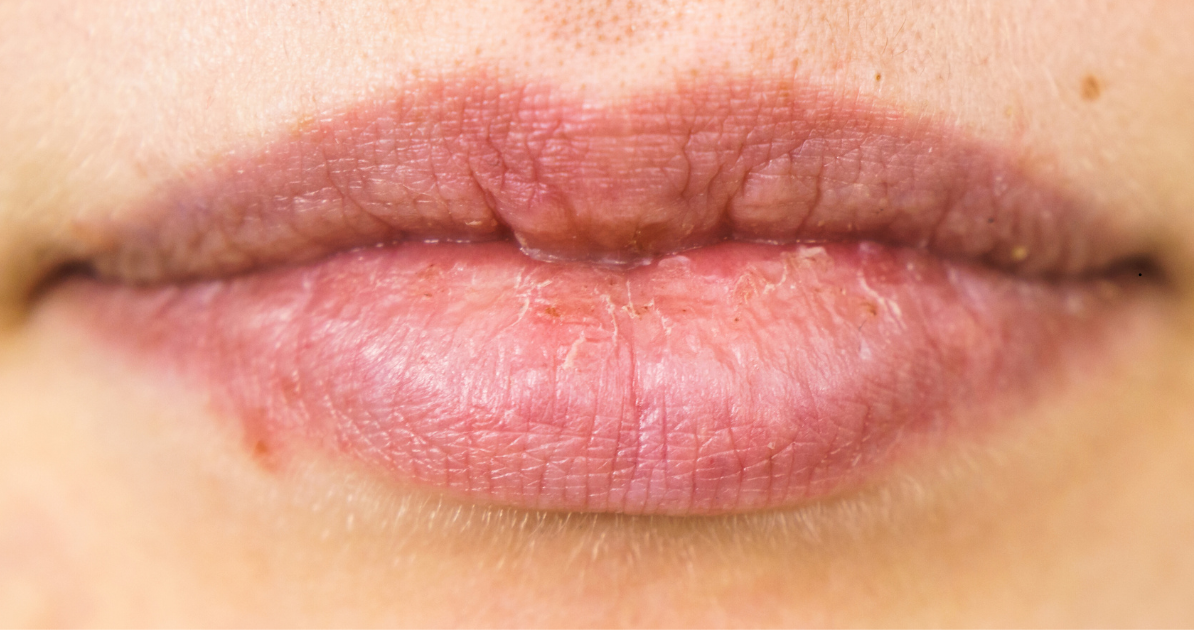
About Cold Sores
Cold sores are incredibly common, yet they’re often misunderstood. Many people experience them at some point in their lives, but few truly understand what causes them, why they return, and what can be done to manage them.
If you’ve ever felt that familiar tingle, burn, or itch on your lip, you’re not alone. Cold sores affect millions of people worldwide and are caused by a virus that most people are exposed to during their lifetime.
Understanding what cold sores are—and how they behave—can help you feel more confident managing them and protecting your lips.
What Is a Cold Sore?
A cold sore is a small, fluid-filled blister that usually appears on or around the lips. They’re also sometimes called fever blisters.
Cold sores are caused by the herpes simplex virus type 1 (HSV-1). After the initial infection, the virus stays in the body permanently, remaining inactive most of the time.
When the virus reactivates, it travels to the skin and creates a cold sore outbreak.
Cold sores typically appear:
- On the lips
- Around the mouth
- Occasionally near the nose or chin
They usually start as a tingling sensation, then develop into a blister that eventually crusts over and heals.
How Common Are Cold Sores?
Cold sores are far more common than many people realize.
Research shows that more than half of adults worldwide carry HSV-1, often contracting it during childhood. Many people may never experience noticeable symptoms, while others experience occasional outbreaks throughout their lives.
Because the virus is so widespread, cold sores are simply a common viral skin condition, even though they can sometimes feel isolating or embarrassing.
How Do People Get HSV-1?
HSV-1 spreads through close personal contact, particularly through saliva or skin contact when the virus is active.
Common ways people may be exposed include:
- Kissing someone who has a cold sore
- Sharing utensils or drinking glasses
- Sharing lip products
- Close contact with family members during childhood
Many people contract the virus early in life from normal everyday interactions with family members. Once the virus enters the body, it travels through nerves and settles into nearby nerve cells where it remains dormant.
Why Do Cold Sores Keep Coming Back?
One of the most confusing aspects of cold sores is why they seem to appear repeatedly.
After the first infection, HSV-1 does not leave the body. Instead, it stays inactive within nerve cells, sometimes for long periods of time.
Certain triggers can reactivate the virus, leading to another outbreak.
Common cold sore triggers include:
- Stress or emotional strain
- Illness or a weakened immune system
- Sun exposure
- Fatigue
- Hormonal changes
- Skin irritation around the lips
Not everyone experiences frequent outbreaks. Some people may only have one or two in their lifetime, while others may experience them periodically.
The Typical Stages of a Cold Sore
Cold sores tend to follow a predictable progression from the first tingle to full healing.
Stage 1: Tingling and Itching
The earliest sign of a cold sore is often a tingling, burning, or itching sensation around the lips. This stage may last several hours to a day.
Many people find that early lip care during this stage can be helpful for supporting the skin and potentially minimizing the severity of the outbreak.
Stage 2: Blister Formation
Small fluid-filled blisters appear, often clustered together. These blisters contain viral particles and can be contagious if they break.
Stage 3: Oozing and Crusting
The blisters may rupture and form a shallow open sore. A crust or scab begins forming as the body starts healing.
Stage 4: Healing
The scab eventually dries and falls off as new skin forms underneath. The entire process typically lasts 7–10 days.
Supporting the lips with gentle, protective care during each stage can help keep the area comfortable as it heals.
Are Cold Sores Contagious?
Yes, cold sores can be contagious, particularly when a blister is present.
The virus spreads most easily during the blister and open sore stages, but transmission can sometimes occur earlier when symptoms first appear.
During an active outbreak it’s best to avoid:
- Kissing
- Sharing lip balm or utensils
- Oral contact with others
Taking simple precautions can help reduce the likelihood of spreading the virus to others.
Why Lip Care Matters for People Prone to Cold Sores
The skin on the lips is delicate and easily affected by environmental stressors like sun exposure, dryness, and irritation. For people prone to cold sores, maintaining healthy, protected lips can be especially important.
Supporting the skin barrier may help reduce irritation that could potentially trigger outbreaks.
Many people who experience recurring cold sores look for lip care products that:
- Keep lips hydrated
- Protect against environmental stress
- Contain naturally supportive ingredients
Daily lip care can be a simple but meaningful part of a cold sore prevention routine.
Natural Ingredients That May Support Cold Sore Care
In recent years, many people have become interested in natural ingredients that support skin health and recovery during cold sore outbreaks.
One ingredient receiving increased attention is bee propolis.
Propolis is a natural substance created by bees to protect their hives from microbes. It contains a wide variety of beneficial compounds, including flavonoids and antioxidants.
Research suggests propolis may have properties that help support skin repair and the body’s natural defenses, which is why it has been used historically in topical skin preparations.
Because of these properties, propolis is becoming a popular ingredient in lip products designed for people prone to cold sores.
Supporting Your Lips at the First Sign of a Cold Sore
Many people who experience recurrent outbreaks become very familiar with the first tingle that signals a cold sore may be developing.
During this early stage, gentle lip protection and supportive ingredients can help maintain the health of the skin barrier.
Some people incorporate lip care products designed specifically for cold sore-prone skin, such as Purapolis Cold Sore Daily Defense Lip Balm, which contains bee-derived ingredients and moisturizing components intended to support healthy lips.
For times when an outbreak is already underway, products like Purapolis Cold Sore Defense Rapid Recovery Ointment are designed to soothe the skin and support the natural healing process with propolis and other supportive ingredients.
Rather than harsh treatments, many individuals prefer approaches that focus on nourishing and protecting the skin while the body does its work.
Managing Cold Sores With Confidence
While cold sores can be frustrating, understanding how they work can make them feel much more manageable.
A few helpful habits include:
- Protecting lips from sun exposure
- Keeping lips hydrated
- Avoiding triggers when possible
- Supporting the skin during early symptoms
Equally important is remembering that cold sores are extremely common. They are simply a recurring viral skin condition that millions of people experience.
You’re Not Alone
Because cold sores appear on the face, they can sometimes feel more noticeable or embarrassing than other skin conditions. But the truth is that HSV-1 is one of the most widespread viruses in the world.
Many people quietly manage occasional outbreaks and develop routines that help them care for their lips comfortably.
With the right knowledge, supportive lip care, and awareness of triggers, it’s possible to approach cold sore management with much more confidence.
Cold sores are small blisters caused by the herpes simplex virus type 1 (HSV-1), a virus that remains in the body after the initial infection. While outbreaks can occur from time to time, understanding the virus and supporting your lips properly can make them easier to manage.
Simple steps like protecting the lips, caring for them during early symptoms, and using gentle, supportive ingredients can help keep your lips healthy.
Natural ingredients like bee propolis have become increasingly popular in lip care products designed for people prone to cold sores, offering a more skin-supportive approach to lip health.
For many people, having a thoughtful lip care routine—and products designed specifically for cold sore-prone skin—can make a meaningful difference in how they manage outbreaks and care for their lips every day.